
Blog / Ford Transit

¿Qué configuración de 2027 Ford Transit conviene para negocios de Berkeley, CA?

2027fordtransit-exterior-01
¿Qué configuración de 2027 Ford Transit conviene para negocios de Berkeley, CA?

Ford of Oakland - ¿Qué configuración de 2027 Ford Transit conviene para negocios de Berkeley, CA?

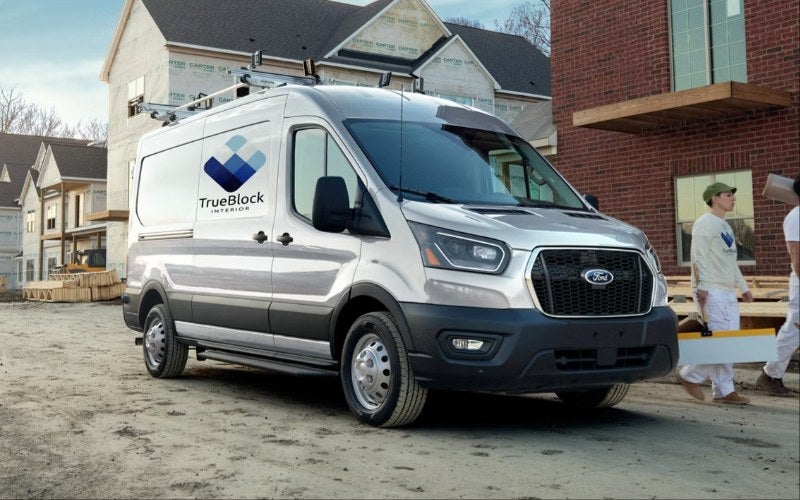
Elegir una van comercial para un negocio en Berkeley, CA exige pensar en algo más que espacio interior. Las calles cercanas a zonas universitarias, los corredores comerciales, las rutas hacia Oakland, Emeryville y San Francisco, y los estacionamientos ajustados hacen que la configuración correcta tenga un impacto directo en la productividad diaria. La 2027 Ford Transit ofrece una ventaja importante para este tipo de comprador: no es una sola van con un solo propósito, sino una familia completa de modelos de carga, pasajeros y versión eléctrica que puede ajustarse a distintos trabajos.

La pregunta principal no es simplemente cuál Transit® es “mejor”, sino cuál Transit® se adapta mejor a la manera en que su negocio opera. Una empresa de catering puede necesitar volumen interior y acceso fácil por las puertas traseras. Un servicio de mantenimiento puede priorizar estanterías, techo alto y capacidad de carga. Una organización comunitaria puede buscar asientos para grupos. Un negocio con rutas locales predecibles puede considerar la E-Transit™ Cargo Van por su tren motriz totalmente eléctrico y su enfoque urbano.

Empiece por el propósito principal de la van

La forma más inteligente de elegir una 2027 Ford Transit es comenzar por el uso dominante. Si el vehículo transportará herramientas, cajas, mercancía o equipo especializado, la Transit® Cargo Van será el punto de partida natural. Si la prioridad es mover personas, la Transit® Passenger Van XL o Transit® Passenger Van XLT ofrece una solución más adecuada. Si el negocio realiza entregas locales, visitas programadas o rutas diarias con regreso a una base de carga, la E-Transit™ Cargo Van puede ser una opción moderna y eficiente para analizar.

Ford señala que la Transit® cuenta con 38 configuraciones disponibles, una cifra que refleja la flexibilidad de la línea. Esa amplitud permite adaptar la van al negocio en lugar de adaptar el negocio a la van. Para Berkeley, CA, donde muchos recorridos combinan avenidas concurridas, calles residenciales estrechas y accesos comerciales compactos, esa capacidad de personalización es especialmente valiosa.

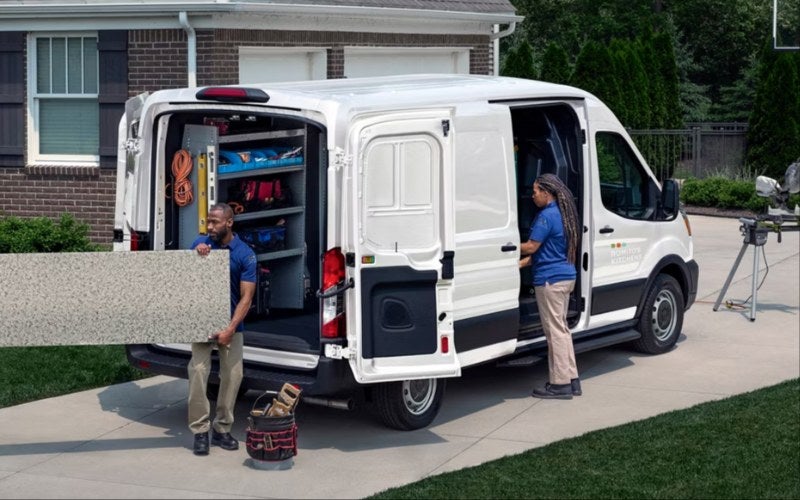
  • Transit® Cargo Van: ideal para herramientas, inventario, entregas, servicios técnicos y adaptaciones comerciales.
  • Transit® Passenger Van XL: buena opción para transporte de grupos, personal, instituciones y organizaciones.
  • Transit® Passenger Van XLT: agrega un enfoque más equipado, con Ford Co-Pilot360® Assist 2.0, Adaptive Cruise Control y 360-Degree Camera estándar según Ford.
  • E-Transit™ Cargo Van: alternativa totalmente eléctrica para negocios con rutas locales y necesidades de carga bien planificadas.

Después de identificar el modelo correcto, conviene pensar en tamaño, altura, tren motriz y tecnología. Cada una de esas decisiones afecta cómo se usa la van todos los días.

Altura y longitud: dos decisiones que cambian la experiencia

La Transit® Cargo Van está disponible con tres alturas de techo: Low de 82.7 pulgadas, Medium de 99.8 pulgadas y High de 110 pulgadas. También se ofrece en longitudes Regular de 217.8 pulgadas, Long de 235.5 pulgadas y Extended de 263.9 pulgadas. Estas cifras son más que especificaciones; determinan si el personal puede moverse con facilidad dentro de la van, cuántos objetos caben, qué tipo de estanterías se pueden instalar y qué tan sencilla será la maniobra en calles urbanas.

Para un negocio que visita clientes en Berkeley, CA, una Transit® de techo bajo puede ser atractiva si la prioridad es maniobrabilidad y acceso a espacios más limitados. Sin embargo, si el equipo necesita entrar, organizar herramientas, trabajar de pie o cargar objetos altos, una configuración Medium o High puede ahorrar tiempo y reducir incomodidad. La longitud también debe elegirse con cuidado. Una carrocería Extended aumenta el volumen disponible, pero una versión Regular o Long puede sentirse más práctica cuando hay que estacionar con frecuencia.

  1. Techo Low: favorece una sensación más compacta y puede ser útil para rutas urbanas con paradas frecuentes.
  2. Techo Medium: ofrece un equilibrio entre espacio vertical y facilidad de manejo diario.
  3. Techo High: ayuda a quienes necesitan estar de pie, cargar artículos altos o instalar soluciones interiores más completas.
  4. Longitud Regular: puede funcionar bien para negocios que priorizan maniobrabilidad.
  5. Longitud Extended: maximiza el espacio para carga, equipos o instalaciones comerciales más grandes.

La mejor configuración suele surgir al visualizar una jornada completa: cargar por la mañana, llegar al primer cliente, buscar estacionamiento, descargar, reorganizar equipo y repetir el proceso varias veces.

Capacidad, motores y tracción para trabajo real

La 2027 Ford Transit ofrece dos motores de gasolina disponibles: 3.5L PFDi V6 y 3.5L EcoBoost® V6. El primero puede ser una opción sólida para uso comercial general, mientras que el 3.5L EcoBoost® V6 puede atraer a negocios que desean mayor respuesta al transportar carga o pasajeros. Ford también indica una capacidad máxima de carga útil de hasta 5,047 lbs y una capacidad máxima de remolque de hasta 6,900 lbs cuando la Transit® está debidamente equipada.

Para negocios que se mueven entre Berkeley, CA y otros puntos de la bahía, la disponibilidad de Intelligent Tracción Integral puede ser una ventaja. No todos los compradores la necesitarán, pero puede aportar confianza adicional en pendientes, accesos de carga, rampas o superficies cambiantes. La tracción trasera sigue siendo una configuración práctica para muchas operaciones, especialmente cuando la prioridad es capacidad comercial tradicional y uso constante en calles pavimentadas.

Cuándo considerar la E-Transit™ Cargo Van

La E-Transit™ Cargo Van merece atención especial para empresas con rutas predecibles. Ford la presenta con un tren motriz totalmente eléctrico y una carga útil máxima de 3,322 lbs. Para negocios de entregas locales, servicios móviles o flotillas que regresan a una base al final del día, esta versión puede integrarse de manera natural en la operación. Además, Pro Power Onboard™ de 2.4 kW disponible permite alimentar herramientas o equipos compatibles, lo que amplía su utilidad en trabajos de campo.

También es importante considerar el Vehicle Integration System 2.0 disponible, especialmente si el negocio requiere telemática, equipos integrados o soluciones especializadas de flotilla. La E-Transit™ no es solo una van eléctrica; es una plataforma comercial que conserva el enfoque práctico de la Transit® y añade una experiencia de manejo más silenciosa y moderna.

Tecnología que ayuda en calles activas

En Berkeley, CA, donde los conductores pueden encontrarse con bicicletas, peatones, zonas escolares, tráfico universitario y espacios reducidos, las asistencias al conductor importan mucho. Ford Co-Pilot360® puede incluir sistemas como Pre-Collision Assist® with Automatic Emergency Braking, Lane-Keeping System y sensores de estacionamiento delanteros y traseros. La Transit® Passenger Van XLT suma Ford Co-Pilot360® Assist 2.0 con Adaptive Cruise Control y 360-Degree Camera estándar según la información de Ford.

La pantalla central de 12 pulgadas con SYNC® 4 también ayuda a que la cabina funcione como un centro de mando. Para empresas que coordinan rutas, llamadas, entregas o visitas técnicas, una pantalla clara y fácil de consultar puede hacer la jornada más ordenada. En una van de trabajo, la tecnología debe ser útil, no decorativa, y la Transit® está orientada a ese uso práctico.

Preguntas frecuentes:

¿Cuál es la mejor 2027 Ford Transit para entregas locales en Berkeley, CA?

Para entregas locales, la Transit® Cargo Van suele ser una gran opción por su espacio adaptable y variedad de longitudes y alturas. Si las rutas son predecibles y el negocio puede planificar la carga eléctrica, la E-Transit™ Cargo Van también merece consideración.

¿Conviene elegir techo alto?

Conviene si el personal necesita estar de pie, organizar equipo desde el interior o transportar artículos altos. Si el negocio prioriza estacionamiento frecuente y maniobrabilidad urbana, un techo Low o Medium puede ser más práctico.

¿La Transit® sirve para transportar pasajeros?

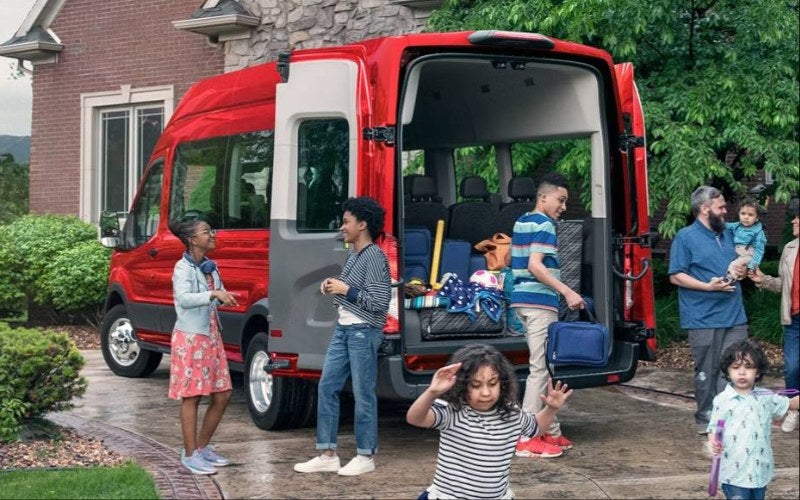
Sí. La Transit® Passenger Van puede configurarse para transportar hasta 15 personas, lo que la hace adecuada para organizaciones, empresas de transporte, instituciones educativas, grupos comunitarios y traslados de personal.

¿Qué debo revisar antes de decidir?

Revise carga útil, altura, longitud, tipo de motor, tracción, necesidades de adaptación y tecnología. También conviene hacer una prueba de manejo en una ruta similar a la que usará normalmente.

Para compradores comerciales de Berkeley, CA, la decisión correcta depende de cómo se trabaja cada día. La 2027 Ford Transit permite elegir desde una van compacta y maniobrable hasta una configuración extendida, de techo alto, con mayor capacidad interior. También ofrece opciones de gasolina, Intelligent Tracción Integral disponible y una alternativa eléctrica E-Transit™ Cargo Van para operaciones locales modernas.

Al evaluar la Transit®, piense en el vehículo como una inversión en flujo de trabajo. La configuración adecuada puede reducir viajes, mejorar la organización, facilitar el acceso a herramientas y hacer que cada ruta sea más eficiente. Con una línea tan flexible, el mejor punto de partida es definir sus necesidades reales y compararlas con las capacidades específicas de cada modelo.
Request more 2027 Ford Transit information

Posted in:

Related Posts

2027fordtransit-exterior-01

Can the 2027 Ford Transit Handle San Francisco, CA Business Routes?

Ford of Oakland - Can the 2027 Ford Transit Handle San Francisco, CA Business Routes? Business routes around San Francisco, CA place unique demands on a commercial van, from tight loading zones and steep streets to frequent stops, bridge crossings, and regional freeway travel. The 2027 Ford Transit® is built with that kind of variety in mind. It gives shoppers a broad mix of body styles, roof heights, powertrains, and driver-assistance technologies, making it a strong candidate for delivery teams, contractors, mobile service providers, shuttle operators, nonprofit groups, and growing fleets that need one van to handle many tasks. The real value of the Transit® is not just that it is spacious. It is that Ford designed the lineup to be configured around different jobs. A compact service operation may prefer a Transit® Cargo Van with a setup that keeps tools organized and easy to reach. A passenger transportation business may focus on available seating for up to 15 people. A local delivery team with predictable routes may take a close look at the E-Transit™ Cargo Van with a fully electric powertrain. That flexibility is especially helpful in the Bay Area, where business needs can change from dense urban stops to longer regional trips in a single day. Why the Transit® Works for Dense Urban Driving San Francisco-area driving rewards visibility, predictable handling, and driver confidence. The 2027 Ford Transit® supports those needs with an elevated seating position, practical mirror placement, and available technologies that help during tight maneuvers. Ford Co-Pilot360® technology includes helpful systems such as front and rear parking sensors, Pre-Collision Assist® with Automatic Emergency Braking, and Lane-Keeping System. These systems are not a substitute for attentive driving, but they can be valuable tools when navigating crowded curbs, loading areas, and multilane roads. Parking sensors are especially useful for van shoppers who regularly back into driveways, warehouse spaces, alleys, or customer sites. For drivers moving up from a smaller vehicle, this added awareness can make the Transit® feel more approachable. On Passenger Van XLT models, Ford lists standard Ford Co-Pilot 360® Assist 2.0 with Adaptive Cruise Control and 360-Degree Camera, which can provide added convenience and visibility for operators who spend long hours behind the wheel. Choosing the Right Transit® Configuration The 2027 Ford Transit® lineup includes Cargo Van, Passenger Van XL, Passenger Van XLT, and E-Transit™ Cargo Van models. That variety matters because the best van for a catering company may not be the best van for a plumbing business, and a shuttle operator has different needs than a parcel delivery team. Ford lists 38 available configurations, along with multiple roof heights and body lengths, giving shoppers more room to fine-tune the vehicle to the mission. Cargo Van: A practical choice for trades, deliveries, equipment hauling, mobile repair, and business upfits. Passenger Van XL: A people-moving option for organizations that need dependable group transportation. Passenger Van XLT: A passenger-focused model with added standard driver-assistance content listed by Ford. E-Transit™ Cargo Van: A fully electric option for businesses with predictable routes, depot charging access, and urban delivery needs. After choosing the body style, shoppers should compare roof heights and lengths. Transit® Cargo Van models are available in Low, Medium, and High Roof configurations, along with Regular, Long, and Extended lengths. A High Roof model can help workers stand, move, and organize taller cargo more easily, while a Regular length configuration may feel more manageable for tighter streets and smaller parking areas. The right answer depends on daily use, not simply maximum space. Powertrain Choices for Work and Delivery Ford lists two available gas engines for the 2027 Transit®: the 3.5L PFDi V6 and the 3.5L EcoBoost® V6. The 3.5L PFDi V6 is well suited for steady, practical work use, while the 3.5L EcoBoost® V6 can be appealing for shoppers who want more strength for heavier loads, hilly routes, or towing needs. Properly equipped Transit® Cargo Van models offer up to 5,047 lbs of max payload weight and up to 6,900 lbs of max towing capacity, giving businesses useful capability for equipment, materials, and jobsite support. The E-Transit™ Cargo Van adds a different kind of capability. With a fully electric powertrain and a maximum payload of 3,322 lbs, it is a strong option for companies focused on local routes, deliveries, service calls, and lower-emission fleet goals. Available Pro Power Onboard™ - 2.4 kW can also support tools and equipment, which can be useful for mobile work. For businesses that return to a central location each day, the E-Transit™ may fit naturally into an organized charging routine. What to Evaluate Before Buying Before selecting a 2027 Ford Transit®, shoppers should think about how the van will be used on the busiest day of the week, not just the average day. A route with frequent stops may call for easy side-door access and a carefully planned cargo layout. A trade-focused van may need shelving, bins, racks, power access, and room for long materials. A passenger van may need comfortable entry, clear visibility, and enough seating capacity for regular group travel. Measure your cargo: Know the height, width, and length of the largest items you carry regularly. Map your routes: Consider hills, narrow streets, loading areas, garage clearance, and freeway travel. Plan your upfit: Decide whether you need shelving, partitions, ladder racks, refrigeration, or power equipment. Compare powertrains: Match gas or electric capability to payload, towing, charging access, and daily mileage needs. Test driver comfort: Make sure the seat, controls, mirrors, display, and storage areas support long workdays. These questions help narrow the Transit® lineup in a practical way. A van that looks ideal online may need a closer review once you consider roof clearance, turning space, tool access, passenger loading, or future business growth. Taking time to plan the configuration can make ownership smoother from the first day. Technology That Supports Daily Operations The available 12" center display with SYNC® 4 gives the Transit® cabin a modern, easy-to-use feel. For business drivers, a clear central screen can help with navigation, calls, vehicle settings, and general convenience throughout the day. When a van doubles as a mobile office, the cabin layout matters. Drivers need quick access to information, comfortable seating, and storage areas that help keep work essentials organized. Ford also supports Transit® owners with benefits such as the Ford App, Ford Pickup & Delivery, Ford Mobile Service, and Ford Rewards. For commercial shoppers, Ford Pro™ resources can help businesses think beyond the vehicle itself and consider service, financing, and operational support. That bigger ownership picture is important for companies that depend on vehicle uptime and need a van to remain productive over the long term. Frequently Asked Questions: Is the 2027 Ford Transit® a good fit for San Francisco-area delivery work? Yes, it can be a strong fit because the Transit® offers multiple lengths, roof heights, gas powertrains, and the fully electric E-Transit™ Cargo Van. Businesses can choose a configuration that fits route density, cargo size, parking needs, and loading requirements. Should I choose a gas Transit® or the E-Transit™ Cargo Van? A gas Transit® may be better for longer routes, towing needs, heavier payload demands, or operations without regular charging access. The E-Transit™ Cargo Van may be ideal for predictable local routes, depot charging, urban delivery, and businesses interested in fully electric operation. Can the Transit® carry passengers as well as cargo? Yes. The Transit® lineup includes Passenger Van XL and Passenger Van XLT models, with configurations that can seat up to 15 people. Cargo Van models are better suited for equipment, tools, deliveries, and upfits. What should I bring to a Transit® test drive? Bring measurements for cargo, shelving plans, passenger requirements, and route details. If you use bins, ladders, cases, tools, or mobility equipment, knowing those dimensions will help you evaluate roof height, body length, access points, and layout. The 2027 Ford Transit® is well suited for business owners and operators who need a van that can be tailored to real-world routes and workloads. With multiple configurations, available Intelligent All-Wheel Drive, gas and electric options, helpful Ford Co-Pilot360® technologies, and practical interior space, it gives San Francisco-area shoppers the flexibility to choose a van that supports today’s work while leaving room for tomorrow’s growth. Request more 2027 Ford Transit information

2027FordTransit-exterior-03

What to Know About the 2027 Ford Transit

Ford of Oakland - What to Know About the 2027 Ford Transit The 2027 Ford Transit continues to stand out as one of the most flexible work-ready vans in the commercial vehicle market. Built for businesses, crews, shuttle services, delivery routes, mobile trades, and organizations that need adaptable transportation, the Transit lineup offers a wide range of configurations without losing sight of everyday drivability. Whether your priority is cargo space, passenger capacity, upfit potential, confident power, or electric capability, the 2027 Transit gives you practical choices that can be matched to the way your work actually gets done. At Ford of Oakland, we understand that choosing a commercial van is not just about picking a model - it is about selecting a tool that supports productivity, organization, safety, and long-term value. The 2027 Ford Transit is designed with that mindset. With multiple roof heights, body lengths, gas and electric powertrain options, available Intelligent All-Wheel Drive, smart driver-assistance technology, and a cabin built around usability, this van is engineered to help keep businesses moving with confidence. A Lineup Built Around Real Business Needs One of the biggest strengths of the 2027 Ford Transit is the breadth of the lineup. Ford offers several key models, including the Transit Cargo Van, Transit Passenger Van XL, Transit Passenger Van XLT, and E-Transit Cargo Van. That range helps business owners, fleet managers, contractors, and community organizations select a van that aligns with day-to-day use instead of forcing a one-size-fits-all solution. The Cargo Van is ideal for trades, deliveries, service calls, equipment transport, and mobile business builds. The Passenger Van models are designed for moving people comfortably, with seating configurations that can accommodate up to 15 passengers depending on the layout. The E-Transit Cargo Van brings fully electric capability to businesses looking to reduce fuel use and support cleaner fleet operations while keeping the utility that makes the Transit so valuable. Transit Cargo Van: A strong choice for contractors, delivery teams, installers, mobile service providers, and upfit-focused businesses. Transit Passenger Van XL: A practical people-moving option for shuttles, group transportation, community programs, and business travel. Transit Passenger Van XLT: A passenger-focused model with added convenience and available advanced driver-assistance features. E-Transit Cargo Van: A fully electric cargo solution for businesses that want capability with plug-in efficiency. Configurable Space for Cargo, People, and Specialized Upfits The 2027 Transit is known for flexibility, and that remains one of its strongest selling points. The Cargo Van offers multiple roof heights and body lengths, including low, medium, and high roof options, along with regular, long, and extended-length configurations. This allows owners to prioritize maneuverability, interior standing room, total cargo volume, or a balance of all three. For businesses that carry tools, shelving, inventory, parcels, or jobsite materials, the ability to choose the right interior dimensions can make a noticeable difference. A high-roof Transit can support easier movement inside the cargo area, while an extended-length model can help accommodate larger loads or more elaborate storage systems. For passenger transport, the available seating layouts make the Transit a smart fit for organizations that need comfortable, dependable group mobility. Roof height options: Low, medium, and high roof choices help match the van to cargo needs, parking requirements, and interior workspace preferences. Body length options: Regular, long, and extended configurations support everything from compact urban routes to high-volume hauling. Passenger flexibility: Available seating for up to 15 passengers makes the Transit useful for shuttles, teams, and group transportation. Upfit potential: The spacious interior can be adapted for shelving, racks, partitions, tool storage, refrigeration, mobility needs, and other business-specific layouts. Performance Choices That Fit the Job The 2027 Ford Transit offers two available gas engines: a 3.5L PFDi V6 and a 3.5L EcoBoost V6. Both are designed to support the demands of commercial use, giving drivers the power needed for hauling, stop-and-go routes, highway travel, and loaded workdays. The available extended range fuel tank can also be a valuable addition for routes that involve longer distances or frequent travel between job locations. Available Intelligent All-Wheel Drive adds another layer of confidence for drivers who face uneven roads, steep driveways, jobsite surfaces, or changing traction needs. Rear-Wheel Drive remains a strong standard-style choice for many commercial users, while AWD can be a smart upgrade for businesses that value added grip and control. Properly configured, the Transit Cargo Van can support serious payload and towing needs, including a maximum payload rating above 5,000 pounds and a maximum towing rating up to 6,900 pounds. Technology That Supports Confidence and Efficiency Modern work vans need to do more than carry cargo. Drivers rely on technology for awareness, route support, communication, parking assistance, and overall ease of use. The 2027 Transit includes a 12-inch center display with SYNC 4, giving the cabin a clean, functional command center for key vehicle and connectivity features. Ford Co-Pilot360 technology is also a major advantage. Standard driver-assistance features include front and rear parking sensors, Pre-Collision Assist with Automatic Emergency Braking, and Lane-Keeping System. These features are especially useful for vans that operate in busy streets, tight loading areas, parking lots, campuses, job sites, and delivery zones. On select configurations, Ford Co-Pilot360 Assist 2.0 adds features such as Adaptive Cruise Control and a 360-Degree Camera, helping drivers manage longer drives and tighter maneuvering with greater confidence. 12-inch center display: A large screen helps keep key information clear and easy to access. SYNC 4: The infotainment system supports connectivity and a more modern in-cabin experience. Pre-Collision Assist: Automatic Emergency Braking can help support driver awareness in busy traffic situations. Parking sensors: Front and rear sensors help with tight spaces, loading areas, and urban maneuvering. Available 360-Degree Camera: This feature can help drivers see more around the van when positioning or parking. Why the E-Transit Cargo Van Deserves Attention The 2027 E-Transit Cargo Van is a compelling option for businesses interested in electric commercial transportation. It is designed for work, not just efficiency, with a fully electric powertrain and a maximum payload rating of 3,322 pounds. For delivery companies, service providers, municipal fleets, campus operations, and local businesses with predictable daily routes, the E-Transit can offer a smart path toward reducing fuel dependence while keeping the same Transit-style utility. Available Pro Power Onboard adds even more jobsite usefulness by providing mobile power for tools and equipment. The available Vehicle Integration System 2.0 can also support businesses that require specialized electrical connections or upfit integration. For owners who are evaluating total operating costs, charging logistics, driver habits, and route planning, the E-Transit gives the Transit lineup a forward-looking option without asking businesses to compromise on practicality. Interior Comfort and Everyday Practicality A commercial van is often a mobile office, break space, equipment hub, and transportation tool all in one. The 2027 Ford Transit cabin reflects that reality with a driver-focused layout, supportive seating, useful visibility, and technology positioned for everyday access. Small details matter when a driver spends hours behind the wheel, makes repeated stops, or uses the van as a core part of the workday. The passenger models add another layer of value by focusing on group comfort. Organizations that move employees, clients, students, guests, or community members can benefit from available multi-row seating and a spacious cabin. For cargo users, the clean rear compartment supports organization and customization, which can help reduce time spent searching for tools, materials, or packages. Who Should Consider the 2027 Ford Transit? The 2027 Transit fits a wide range of professional and personal-use needs. It can serve as a dependable delivery van, a mobile workshop, a passenger shuttle, a fleet vehicle, or a platform for specialized upfits. Its strongest appeal is the ability to tailor the van to the mission - from compact cargo transport to high-roof workspaces and electric fleet solutions. Contractors and tradespeople: The Transit can be configured with shelving, racks, partitions, and storage for tools and materials. Delivery and logistics teams: Cargo volume, payload capability, and driver-assistance features support busy route operations. Passenger transport services: Available seating for up to 15 passengers makes the Transit useful for shuttles and group travel. Fleet operators: Multiple configurations make it easier to standardize vehicles while tailoring each van to a role. Electric-focused businesses: The E-Transit Cargo Van supports organizations building a more efficient commercial fleet. Shopping for a 2027 Ford Transit Locally For businesses and drivers comparing commercial vans, it helps to start with the job requirements. Consider what you carry, how far you drive, where the van will park, how much interior height you need, whether passengers or cargo matter most, and whether gas or electric power best fits your operation. A thoughtful approach can make the difference between buying a van that simply works and choosing one that actively improves your workflow. Our team is proud to help local business owners and drivers compare Transit configurations while serving San Francisco, Livermore, and Berkeley. From cargo capacity and roof height to powertrain selection and available technology, we can help narrow the choices so the final van fits your route, industry, and long-term goals. Frequently Asked Questions: What engines are offered for the 2027 Ford Transit? The 2027 Ford Transit offers a 3.5L PFDi V6 and an available 3.5L EcoBoost V6 for gas-powered models. The E-Transit Cargo Van uses a fully electric powertrain. Is the 2027 Ford Transit available with All-Wheel Drive? Yes. Available Intelligent All-Wheel Drive is offered on select Transit configurations, giving drivers added traction confidence when conditions or work environments require it. How many passengers can the 2027 Ford Transit carry? Depending on configuration, the Transit Passenger Van can seat up to 15 passengers, making it a strong choice for shuttle services, teams, organizations, and group transportation. What is the maximum payload for the 2027 Ford Transit? Properly configured gas-powered Transit models can support a maximum payload above 5,000 pounds. The E-Transit Cargo Van offers a maximum payload of 3,322 pounds. Does the 2027 Ford Transit include driver-assistance features? Yes. Standard Ford Co-Pilot360 features include front and rear parking sensors, Pre-Collision Assist with Automatic Emergency Braking, and Lane-Keeping System. Additional features are available on select models. Is the E-Transit a good fit for business use? Yes. The E-Transit Cargo Van is designed for commercial use, with electric power, practical payload capability, and available features such as Pro Power Onboard for mobile jobsite support. The 2027 Ford Transit remains a smart, versatile, and business-focused van for drivers who need capability without unnecessary complication. With multiple models, flexible dimensions, gas and electric powertrain options, useful technology, and strong upfit potential, it is built to adapt to the way modern businesses operate. Request more 2027 Ford Transit information

Why the 2027 Ford Transit® Cargo Van Fits Richmond, CA Business Needs

Why the 2027 Ford Transit® Cargo Van Fits Richmond, CA Business Needs

Ford of Oakland - Why the 2027 Ford Transit® Cargo Van Fits Richmond, CA Business Needs For many Richmond, CA businesses, a van is not just transportation. It is a mobile workshop, a delivery hub, a supply room, a branding tool, and sometimes the most important piece of equipment in the operation. That is why the 2027 Ford Transit® Cargo Van deserves close attention from shoppers who need capability that can be configured around real work. It brings together multiple roof heights, multiple body lengths, available Intelligent All-Wheel Drive, strong gas engine choices, and useful driver assistance technology in a package that can be tailored for trades, delivery, maintenance, logistics, and service-based work. The reason the Cargo Van trim is such a smart starting point is simple: it gives business owners room to build. Richmond has a practical mix of industrial corridors, neighborhood service routes, waterfront access, bridge connections, and East Bay freeway travel. A van serving this area may need to carry tools in the morning, parts in the afternoon, and finished goods before the day is over. The Transit® Cargo Van is engineered for that kind of flexibility, which makes it a strong fit for online shoppers who want one vehicle that can adapt instead of forcing the business to compromise. Built Around the Work, Not the Other Way Around The 2027 Ford Transit® Cargo Van can be configured with Low, Medium, or High roof heights, along with Regular, Long, or Extended lengths. That range matters because no two businesses use cargo space the same way. A plumbing company may prioritize vertical room for bins and standing access. A catering supplier may want length for rolling racks and equipment. A mobile repair technician may need enough interior space for shelving while keeping the van manageable on tighter urban streets. This is where the Transit® Cargo Van feels especially practical. Instead of offering one basic layout, it lets the buyer think through the daily route, the size of the equipment, the number of stops, and the kind of upfit that would make the workday smoother. In Richmond, where a route can move from local customer calls to I-580 or I-80 quickly, that balance of size and usability is important. Powertrain Choices That Match Different Priorities Ford gives Transit® Cargo Van shoppers two available gas engine paths: the 3.5L PFDi V6 and the 3.5L EcoBoost® V6. The 3.5L PFDi V6 is a solid choice for businesses that want proven daily capability for regular hauling, service calls, and delivery use. The 3.5L EcoBoost® V6 adds turbocharged performance for drivers who regularly carry heavier loads, work on demanding routes, or want extra strength when merging, climbing grades, or towing. Available Intelligent All-Wheel Drive adds another layer of confidence. For businesses that move between paved lots, construction areas, hills, and varied customer locations, that option can help create a more secure driving experience. Rear-wheel drive remains a straightforward and capable setup, but available Intelligent All-Wheel Drive can be a smart upgrade for companies that want broader route flexibility throughout the Bay Area. Why the Cargo Van Trim Works for Richmond Operators Richmond’s business landscape includes contractors, port-adjacent logistics, building maintenance teams, food service suppliers, community organizations, and independent operators. The Transit® Cargo Van fits that mix because it is not locked into one narrow use case. It can become a delivery van, a field service van, a parts vehicle, or a specialized trade platform. With a maximum payload of up to 5,047 lbs when properly equipped and a maximum towing capacity of up to 6,900 lbs when properly equipped, it brings serious capability to the table. Service contractors: Use the cargo area for shelving, ladders, tools, parts, and jobsite supplies. Delivery businesses: Choose the body length and roof height that best match package volume and route density. Mobile technicians: Build an organized interior with room for diagnostic gear, hardware, and replacement components. Event and catering teams: Carry supplies, containers, staging materials, and equipment with a layout tailored to the task. That adaptability is one of the biggest reasons to choose the Cargo Van trim. A business can start with the right body configuration, then add the upfit, storage, and workflow tools that make sense. Rather than buying a van and working around its limits, the Transit® Cargo Van encourages a more strategic approach. Technology That Helps During Long Workdays Capability is only part of the ownership experience. A commercial van also needs to support the driver, especially when the day includes repeated stops, tight parking, customer addresses, and heavy traffic. The 2027 Ford Transit® Cargo Van includes standard Ford Co-Pilot360® technology, with features such as front and rear parking sensors, Pre-Collision Assist® with Automatic Emergency Braking, and Lane-Keeping System. These systems can help drivers stay more aware of the area around the vehicle and respond to everyday challenges. The 12-inch center display with SYNC® 4 also makes the cabin feel more modern and manageable. For drivers juggling routes, calls, directions, and job details, a clear display can make a meaningful difference. The interior is practical, but it is not outdated. Ford understands that work vehicles are often offices on wheels, and the Transit® Cargo Van gives drivers the kind of interface expected in a modern commercial vehicle. How to Choose the Right Transit® Cargo Van Setup Online shoppers should think beyond the basic idea of “cargo space” and focus on how the van will be used every day. The best configuration is the one that reduces wasted movement, keeps tools organized, protects cargo, and helps the driver move efficiently from stop to stop. Before choosing a roof height or length, it helps to map out the actual workday. Measure your cargo: Consider the tallest items, longest tools, largest bins, and most awkward equipment. Plan your upfit: Think about shelving, partitions, racks, drawers, flooring, and lighting before selecting dimensions. Review your routes: Match size and drivetrain to local streets, freeway travel, parking access, and jobsite conditions. Consider future growth: Choose a configuration that supports today’s workload without limiting tomorrow’s opportunities. For Richmond-area businesses, that planning can help ensure the van works well on Cutting Boulevard, along marina-area routes, near industrial job sites, and across broader East Bay service territory. The Transit® Cargo Van is at its best when its configuration is chosen with a clear business purpose. Frequently Asked Questions: Is the 2027 Ford Transit® Cargo Van good for upfitting? Yes. Its multiple roof heights and body lengths make it a strong platform for shelving, partitions, ladder racks, storage systems, and trade-specific interiors. The right setup can turn the cargo area into a highly organized workspace. Which engine should I choose for the Transit® Cargo Van? The 3.5L PFDi V6 is a practical choice for many daily business needs, while the 3.5L EcoBoost® V6 is appealing for drivers who want added strength for heavier loads, more demanding routes, or towing. Why buy the Cargo Van trim instead of a passenger model? The Cargo Van is designed around open space, equipment storage, and business customization. If the priority is hauling tools, products, materials, or specialized gear rather than people, it is the most focused choice in the Transit® lineup. The 2027 Ford Transit® Cargo Van stands out because it respects the way work actually happens. It gives Richmond, CA businesses the ability to choose the right footprint, the right powertrain, and the right interior strategy. For online shoppers comparing commercial vans, that kind of flexibility is not just convenient. It is the difference between owning a vehicle that gets by and choosing one that actively supports the business. *Image may not be actual model Request more 2027 Ford Transit information