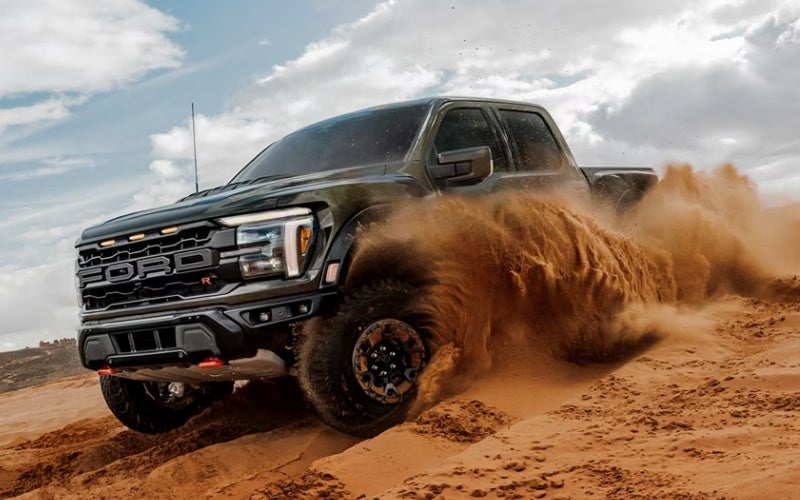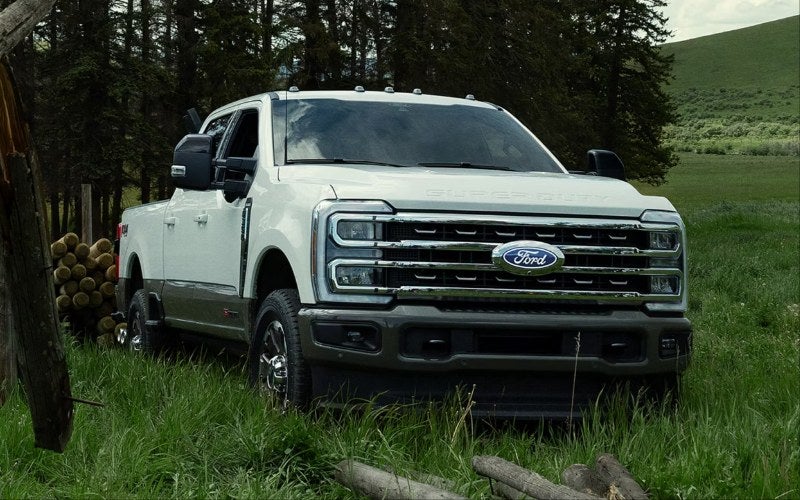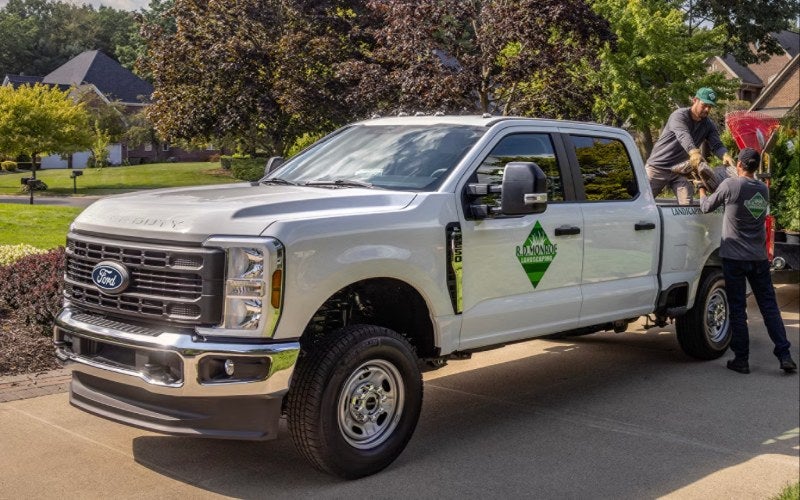

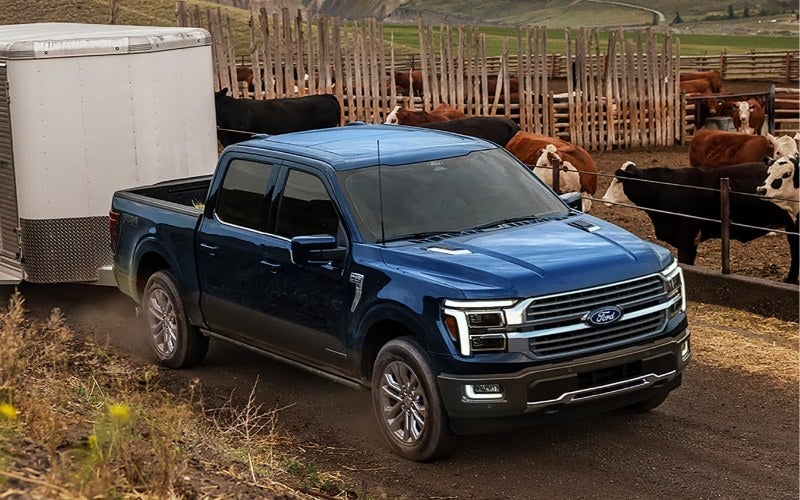
Ford of Oakland - Can the 2027 Ford F-150 Tow Confidently for Berkeley, CA Truck Shoppers? Choosing a full-size truck for towing around the Bay Area requires more than looking at one headline number, because real-world confidence comes from powertrain selection, configuration, trailering technology, payload awareness, and how the truck feels from behind the wheel. The 2027 Ford F-150® gives Berkeley, CA shoppers a broad and highly capable platform, with a max available gas towing rating of 13,500 lbs when properly equipped and a wide range of engines designed for different driving priorities. For drivers who tow small business trailers, weekend campers, boats, or equipment, the F-150® makes a strong case by combining muscle with technology that helps simplify the process. The key phrase is "properly equipped." Towing capacity varies based on the selected engine, cab, bed, drivetrain, axle ratio, accessories, Tow/Haul equipment, GCWR, and payload capacity. That means two trucks with the same badge can tow differently depending on configuration. For an in-market shopper, the most useful approach is to start with the actual trailer weight, estimate passenger and cargo weight, and then match the truck to the task. The 2027 F-150® lineup helps because it offers multiple engine choices and cab configurations, giving buyers flexibility instead of forcing a one-size-fits-all answer. What Is the Maximum Towing Capacity? The 2027 Ford F-150® offers towing capacity from 8,400 lbs up to a maximum best-in-class 13,500 lbs when properly equipped. Ford lists the 3.5L EcoBoost V6 as the engine associated with the best-in-class 13,500 lbs max available towing figure. Other powertrains remain highly capable as well, including the 3.5L PowerBoost® Full Hybrid V6 with up to 12,100 lbs, the 5.0L Ti-VCT V8 with up to 12,800 lbs, the 3.0L EcoBoost® V6 with up to 8,400 lbs, the 3.5L EcoBoost High-Output V6 on Raptor® with up to 8,200 lbs, and the 5.2L Supercharged V8 on Raptor R™ with up to 8,700 lbs. Those numbers show why the F-150® works for many kinds of owners. A driver towing landscaping equipment through East Bay neighborhoods may prioritize payload and bed usability. A buyer heading across bridges with a camper may focus on towing capacity and driver-assist technology. A performance-minded shopper may care more about off-road capability or Raptor® power than maximum trailering. The benefit of this lineup is choice, and that choice can be tailored carefully. Engine Choice Matters The 2027 F-150® engine lineup is one of its strongest advantages. The 3.0L EcoBoost® V6 delivers 325 horsepower and 400 lb-ft of torque, giving many shoppers a capable starting point. The 3.5L EcoBoost V6 brings 400 horsepower and 500 lb-ft of torque, making it a top choice for drivers focused on towing strength. The available 3.5L PowerBoost® Full Hybrid V6 increases torque to 570 lb-ft and adds the appeal of hybrid capability, while the available 5.0L Ti-VCT V8 provides familiar V8 response with 400 horsepower and 410 lb-ft of torque. For specialty use, Raptor® and Raptor R™ models bring dedicated performance character. The 3.5L EcoBoost High-Output V6 on Raptor® offers 450 horsepower and 510 lb-ft of torque, while the 5.2L Supercharged V8 on Raptor R™ reaches 720 horsepower and 640 lb-ft of torque. These models are not simply about towing numbers; the appeal includes off-road hardware, distinctive capability, and performance engineering. For shoppers focused on frequent towing, however, the 3.5L EcoBoost V6 and 5.0L Ti-VCT V8 are especially important to compare. What Helps the F-150® Feel Better While Towing? Power is only part of the story. A tow vehicle also needs stability, visibility, confidence, and controls that make the driver feel informed. The 2027 F-150® offers available BlueCruise with Towing, which Ford describes as allowing drivers to tow hands-free on compatible highways while keeping eyes on the road. For longer highway trips, this available feature can reduce fatigue and help the truck feel more advanced and supportive during properly equipped trailering. Ford also offers available digital information features that can help drivers stay aware. The available cluster display presents vital data in high-resolution clarity, while the optional head-up display projects real-time driving information onto the windshield. When towing, having key information easy to see can help reduce distraction. Add the available Ford Connectivity Package, available Ford Security Package, and Ford Co-Pilot360® Technology, and the F-150® becomes more than a strong truck. It becomes a connected, intelligent towing tool. Available BlueCruise with Towing: Helps support hands-free highway driving with a trailer on compatible roads while the driver keeps eyes on the road. Available Tow/Haul Package: Supports towing-focused driving behavior and is available on select configurations. Available head-up display: Projects useful real-time information where the driver can see it more easily. Ford Co-Pilot360® Technology: Provides standard and available driver-assist features designed to help support confidence. Ford app support: Offers connected ownership tools, including available security-related functionality with the Ford Security Package. For Berkeley, CA drivers, these systems can be especially helpful when a route includes city streets, freeway ramps, bridge traffic, and longer highway stretches. Towing confidence is not only about pulling from a stop. It is also about feeling composed while changing lanes, monitoring speed, managing distance, and arriving with less stress. Payload Should Not Be Overlooked Payload is often the detail that separates a good towing setup from the right towing setup. The 2027 F-150® offers a best-in-class max available gas payload rating of 2,430 lbs when properly equipped. Payload includes the weight carried in the truck, not just cargo in the bed. Passengers, tools, hitch weight, accessories, and gear all count. A trailer can be within the tow rating, but if tongue weight and cargo push payload too high, the setup may not be appropriate. This is why serious truck shoppers should review the door label and configuration-specific ratings for any F-150® under consideration. If a buyer plans to tow with passengers, load tools, and carry supplies in the bed, payload deserves as much attention as trailer weight. The right match can make the truck feel more composed and help protect long-term satisfaction. Know the trailer weight: Use the loaded trailer weight, not just the empty trailer rating. Estimate tongue weight: Account for how much trailer weight transfers to the truck. Add passengers and cargo: Include people, tools, bags, coolers, and installed accessories. Check the truck label: Review the exact payload rating for the specific vehicle. Confirm the configuration: Match engine, axle, drivetrain, cab, bed, and towing equipment to your needs. Taking these steps before purchase can save time and help avoid guesswork. It also makes the test drive more productive because the shopper can ask direct questions about the exact truck being considered. Bed Access and Work Utility Add Real Value The 2027 F-150® is also designed to make towing and hauling more practical once the truck is parked. The available Pro Access Tailgate allows easier access to the cargo bed even when hitched to a trailer. That can be a meaningful convenience for owners who need tools, bags, cords, tie-downs, or supplies while a trailer is connected. Instead of working around the hitch or unhitching just to reach cargo, the design helps make the bed more accessible. Available Pro Power Onboard™ adds another layer of usefulness by offering up to 7.2 kW of electrical energy. For towing a trailer to a worksite, outdoor location, or event space, having truck-based power can be extremely helpful. The available Interior Work Surface, lockable storage, and flip and fold seats further support the F-150® as a flexible tool for business and personal use. Frequently Asked Questions: Which 2027 Ford F-150® engine is best for maximum towing? The 3.5L EcoBoost V6 is associated with the max available best-in-class gas towing rating of 13,500 lbs when properly equipped. Shoppers should still review the exact configuration because cab, bed, drivetrain, axle ratio, equipment, and payload all affect the final tow rating. Can the 3.5L PowerBoost® Full Hybrid V6 tow? Yes. The available 3.5L PowerBoost® Full Hybrid V6 offers up to 12,100 lbs of towing capacity when properly equipped, along with 430 horsepower and 570 lb-ft of torque. It is a strong option for shoppers who want hybrid capability without giving up serious truck performance. Is available BlueCruise with Towing standard on every F-150®? No. BlueCruise with Towing is available on select configurations. Shoppers interested in this feature should confirm trim, package, and equipment details during the shopping process. Should payload matter if the trailer is under the towing limit? Yes. Payload matters because passengers, cargo, accessories, and trailer tongue weight count against the truck’s payload rating. A proper towing match considers both tow rating and payload rating. The Bottom Line for Towing Shoppers The 2027 Ford F-150® is a strong choice for buyers who want a capable towing truck with modern support features and a wide range of configurations. Its max available gas towing rating, best-in-class max available gas payload rating, available BlueCruise with Towing, and practical work-focused design give shoppers a deep set of tools to build the right truck. For Berkeley, CA drivers comparing full-size pickups, the smartest next step is to define the towing job clearly, compare engines carefully, and test drive the configuration that best matches daily life. Request more 2027 Ford F-150 information
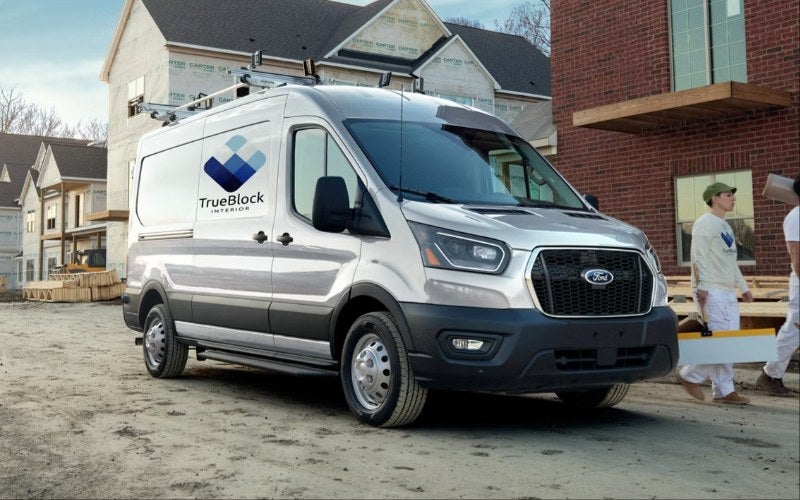
Can the 2027 Ford Transit Handle San Francisco, CA Business Routes?
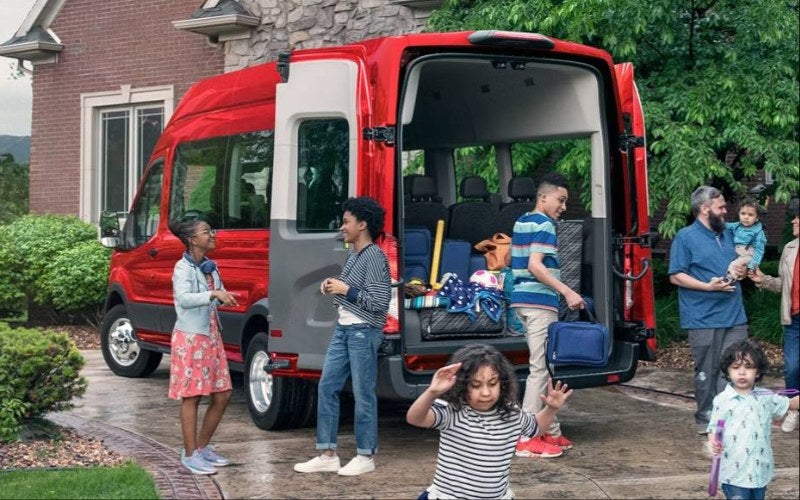
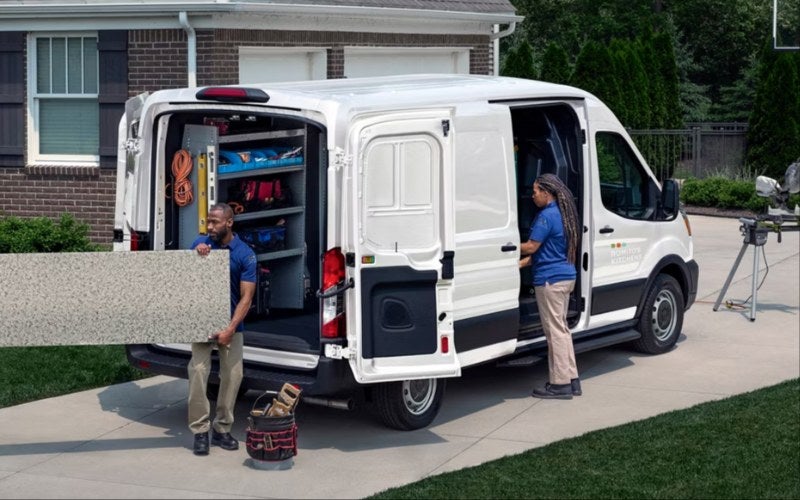
Ford of Oakland - Can the 2027 Ford Transit Handle San Francisco, CA Business Routes? Business routes around San Francisco, CA place unique demands on a commercial van, from tight loading zones and steep streets to frequent stops, bridge crossings, and regional freeway travel. The 2027 Ford Transit® is built with that kind of variety in mind. It gives shoppers a broad mix of body styles, roof heights, powertrains, and driver-assistance technologies, making it a strong candidate for delivery teams, contractors, mobile service providers, shuttle operators, nonprofit groups, and growing fleets that need one van to handle many tasks. The real value of the Transit® is not just that it is spacious. It is that Ford designed the lineup to be configured around different jobs. A compact service operation may prefer a Transit® Cargo Van with a setup that keeps tools organized and easy to reach. A passenger transportation business may focus on available seating for up to 15 people. A local delivery team with predictable routes may take a close look at the E-Transit™ Cargo Van with a fully electric powertrain. That flexibility is especially helpful in the Bay Area, where business needs can change from dense urban stops to longer regional trips in a single day. Why the Transit® Works for Dense Urban Driving San Francisco-area driving rewards visibility, predictable handling, and driver confidence. The 2027 Ford Transit® supports those needs with an elevated seating position, practical mirror placement, and available technologies that help during tight maneuvers. Ford Co-Pilot360® technology includes helpful systems such as front and rear parking sensors, Pre-Collision Assist® with Automatic Emergency Braking, and Lane-Keeping System. These systems are not a substitute for attentive driving, but they can be valuable tools when navigating crowded curbs, loading areas, and multilane roads. Parking sensors are especially useful for van shoppers who regularly back into driveways, warehouse spaces, alleys, or customer sites. For drivers moving up from a smaller vehicle, this added awareness can make the Transit® feel more approachable. On Passenger Van XLT models, Ford lists standard Ford Co-Pilot 360® Assist 2.0 with Adaptive Cruise Control and 360-Degree Camera, which can provide added convenience and visibility for operators who spend long hours behind the wheel. Choosing the Right Transit® Configuration The 2027 Ford Transit® lineup includes Cargo Van, Passenger Van XL, Passenger Van XLT, and E-Transit™ Cargo Van models. That variety matters because the best van for a catering company may not be the best van for a plumbing business, and a shuttle operator has different needs than a parcel delivery team. Ford lists 38 available configurations, along with multiple roof heights and body lengths, giving shoppers more room to fine-tune the vehicle to the mission. Cargo Van: A practical choice for trades, deliveries, equipment hauling, mobile repair, and business upfits. Passenger Van XL: A people-moving option for organizations that need dependable group transportation. Passenger Van XLT: A passenger-focused model with added standard driver-assistance content listed by Ford. E-Transit™ Cargo Van: A fully electric option for businesses with predictable routes, depot charging access, and urban delivery needs. After choosing the body style, shoppers should compare roof heights and lengths. Transit® Cargo Van models are available in Low, Medium, and High Roof configurations, along with Regular, Long, and Extended lengths. A High Roof model can help workers stand, move, and organize taller cargo more easily, while a Regular length configuration may feel more manageable for tighter streets and smaller parking areas. The right answer depends on daily use, not simply maximum space. Powertrain Choices for Work and Delivery Ford lists two available gas engines for the 2027 Transit®: the 3.5L PFDi V6 and the 3.5L EcoBoost® V6. The 3.5L PFDi V6 is well suited for steady, practical work use, while the 3.5L EcoBoost® V6 can be appealing for shoppers who want more strength for heavier loads, hilly routes, or towing needs. Properly equipped Transit® Cargo Van models offer up to 5,047 lbs of max payload weight and up to 6,900 lbs of max towing capacity, giving businesses useful capability for equipment, materials, and jobsite support. The E-Transit™ Cargo Van adds a different kind of capability. With a fully electric powertrain and a maximum payload of 3,322 lbs, it is a strong option for companies focused on local routes, deliveries, service calls, and lower-emission fleet goals. Available Pro Power Onboard™ - 2.4 kW can also support tools and equipment, which can be useful for mobile work. For businesses that return to a central location each day, the E-Transit™ may fit naturally into an organized charging routine. What to Evaluate Before Buying Before selecting a 2027 Ford Transit®, shoppers should think about how the van will be used on the busiest day of the week, not just the average day. A route with frequent stops may call for easy side-door access and a carefully planned cargo layout. A trade-focused van may need shelving, bins, racks, power access, and room for long materials. A passenger van may need comfortable entry, clear visibility, and enough seating capacity for regular group travel. Measure your cargo: Know the height, width, and length of the largest items you carry regularly. Map your routes: Consider hills, narrow streets, loading areas, garage clearance, and freeway travel. Plan your upfit: Decide whether you need shelving, partitions, ladder racks, refrigeration, or power equipment. Compare powertrains: Match gas or electric capability to payload, towing, charging access, and daily mileage needs. Test driver comfort: Make sure the seat, controls, mirrors, display, and storage areas support long workdays. These questions help narrow the Transit® lineup in a practical way. A van that looks ideal online may need a closer review once you consider roof clearance, turning space, tool access, passenger loading, or future business growth. Taking time to plan the configuration can make ownership smoother from the first day. Technology That Supports Daily Operations The available 12" center display with SYNC® 4 gives the Transit® cabin a modern, easy-to-use feel. For business drivers, a clear central screen can help with navigation, calls, vehicle settings, and general convenience throughout the day. When a van doubles as a mobile office, the cabin layout matters. Drivers need quick access to information, comfortable seating, and storage areas that help keep work essentials organized. Ford also supports Transit® owners with benefits such as the Ford App, Ford Pickup & Delivery, Ford Mobile Service, and Ford Rewards. For commercial shoppers, Ford Pro™ resources can help businesses think beyond the vehicle itself and consider service, financing, and operational support. That bigger ownership picture is important for companies that depend on vehicle uptime and need a van to remain productive over the long term. Frequently Asked Questions: Is the 2027 Ford Transit® a good fit for San Francisco-area delivery work? Yes, it can be a strong fit because the Transit® offers multiple lengths, roof heights, gas powertrains, and the fully electric E-Transit™ Cargo Van. Businesses can choose a configuration that fits route density, cargo size, parking needs, and loading requirements. Should I choose a gas Transit® or the E-Transit™ Cargo Van? A gas Transit® may be better for longer routes, towing needs, heavier payload demands, or operations without regular charging access. The E-Transit™ Cargo Van may be ideal for predictable local routes, depot charging, urban delivery, and businesses interested in fully electric operation. Can the Transit® carry passengers as well as cargo? Yes. The Transit® lineup includes Passenger Van XL and Passenger Van XLT models, with configurations that can seat up to 15 people. Cargo Van models are better suited for equipment, tools, deliveries, and upfits. What should I bring to a Transit® test drive? Bring measurements for cargo, shelving plans, passenger requirements, and route details. If you use bins, ladders, cases, tools, or mobility equipment, knowing those dimensions will help you evaluate roof height, body length, access points, and layout. The 2027 Ford Transit® is well suited for business owners and operators who need a van that can be tailored to real-world routes and workloads. With multiple configurations, available Intelligent All-Wheel Drive, gas and electric options, helpful Ford Co-Pilot360® technologies, and practical interior space, it gives San Francisco-area shoppers the flexibility to choose a van that supports today’s work while leaving room for tomorrow’s growth. Request more 2027 Ford Transit information